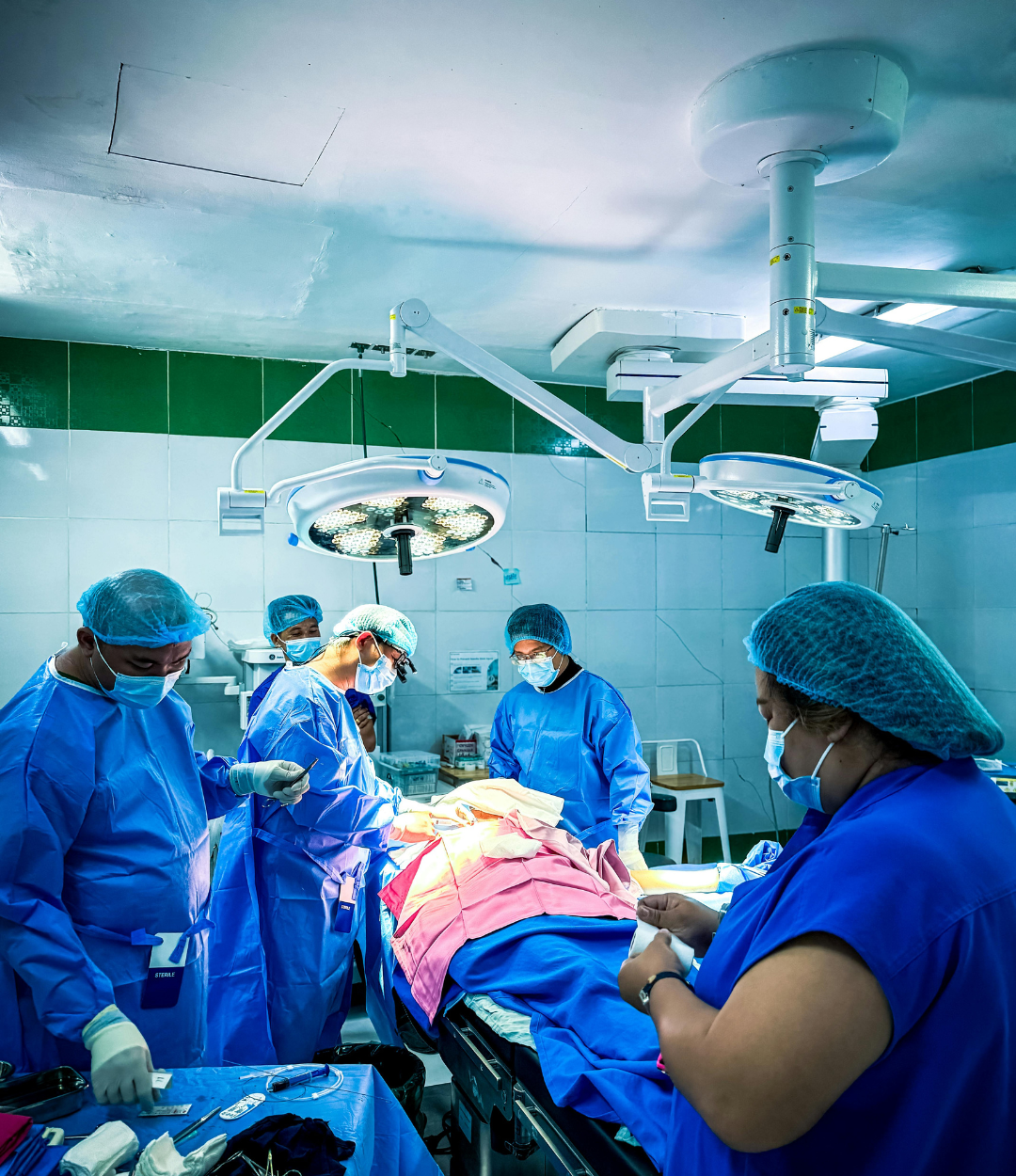
Keyhole knee surgery for meniscus, cartilage, loose body and selected ligament-related problems, planned around accurate diagnosis and practical recovery.
Knee arthroscopy is a keyhole knee surgery used when there is a clear, treatable problem inside the knee, such as a meniscus tear, cartilage flap, loose body, inflamed lining or selected ligament-related injury. It is not simply a treatment for every painful knee, and it is not the same as knee replacement.
Dr. Anil Raheja uses clinical examination, X-rays when required and MRI findings to decide whether arthroscopic knee surgery is likely to help. The aim is practical: confirm the cause of pain, treat the mechanical problem where possible, and plan recovery so the patient knows when they can walk, work, drive and return to activity.
What is knee arthroscopy?
Knee arthroscopy is a minimally invasive procedure in which a small fibre-optic camera, called an arthroscope, is passed into the knee through a small incision. The inside of the joint is seen on a monitor, allowing the surgeon to examine the meniscus, cartilage, ligaments, joint lining and loose fragments.
Fine instruments are inserted through one or more additional small incisions. Depending on what is found, the surgeon may trim or repair a torn meniscus, smooth unstable cartilage, remove loose bodies, treat inflamed tissue or manage selected ligament-associated problems.
How keyhole knee surgery sees inside the joint
When knee arthroscopy may be useful
Arthroscopic knee surgery is most useful when symptoms suggest a mechanical problem inside the knee. A patient may describe catching, locking, repeated swelling after activity, pain after a twisting injury, or a feeling that something is moving inside the joint.
The decision is not based on MRI alone. Many scan findings need to be matched with symptoms, age, activity level, knee alignment and the amount of arthritis already present.
Meniscus tear causing locking, catching or persistent joint-line pain
Loose bone or cartilage fragment inside the knee
Unstable cartilage flap after injury
Inflamed joint lining that has not settled with non-surgical care
Selected ACL or ligament-related injuries where arthroscopy is part of the treatment plan
Persistent swelling or pain where diagnosis remains unclear after examination and imaging
What knee arthroscopy cannot do
A useful arthroscopy page should be honest about limits. Knee arthroscopy can treat selected internal knee problems, but it cannot reverse advanced osteoarthritis or rebuild a severely worn joint surface like a knee replacement can.
If the main problem is bone-on-bone arthritis, major deformity or long-standing stiffness from advanced joint wear, Dr. Raheja may discuss non-surgical care, injections, physiotherapy, partial knee replacement or total knee replacement instead of arthroscopy.
It does not replace the knee joint
It does not cure advanced arthritis
It may not remove all pain if cartilage wear is widespread
It works best when symptoms match a treatable mechanical problem
It still needs rehabilitation; keyhole surgery does not mean no recovery time
Meniscus tear and arthroscopic knee surgery
A torn meniscus is one of the common reasons patients search for knee arthroscopy in Delhi. The meniscus is the C-shaped cartilage cushion that helps absorb load and stabilise the knee. Tears may happen after a sports twist, sudden squat, fall, or gradual wear with age.
Treatment depends on the tear pattern. Some tears are trimmed with partial meniscectomy, while selected tears can be repaired with sutures. Meniscus repair usually needs a longer recovery than trimming because the tissue must heal back together.
Knee arthroscopy recovery period
Recovery after knee arthroscopy is usually faster than open surgery, but the timeline depends on what was done inside the knee. A simple diagnostic arthroscopy or minor trimming can recover faster than a meniscus repair, cartilage restoration or ligament reconstruction.
Many patients begin gentle walking soon after surgery with support as advised. Swelling control, range-of-motion exercises and physiotherapy are important because the goal is not just healed incisions, but a knee that bends, straightens and carries weight confidently.
Desk work may be possible within a few days to 1-2 weeks for minor procedures
Driving is usually discussed after pain, swelling and leg control improve
Return to most physical activity may take 6-8 weeks for minor arthroscopy
Meniscus repair or cartilage procedures can take longer and may require protected weight bearing
Sports return should be cleared only after strength, balance and confidence are rebuilt
Walking, stairs and daily activity after surgery
One of the most common patient questions is: how soon can I walk after knee arthroscopy? The answer depends on the procedure. After minor trimming or loose body removal, walking may start early with support. After meniscus repair or cartilage work, weight bearing may be more restricted.
Before surgery, it helps to plan the first week practically: who will drive you home, whether your room is on the ground floor, how many stairs you must climb, and whether your work requires sitting, standing, travel or lifting.
Knee arthroscopy cost in Delhi
The cost of knee arthroscopy in Delhi varies because the procedure is not the same for every patient. A simple diagnostic arthroscopy is different from meniscus repair, cartilage treatment or ligament-associated surgery. Hospital category, implant or suture material, anaesthesia, room type, insurance approval and rehabilitation needs can all affect the final estimate.
A consultation is the right place to discuss expected cost because the treatment plan should be based on examination and imaging, not on a fixed online package. Patients should ask what is included: surgeon fee, hospital stay or daycare charges, investigations, implants or repair devices, medicines, physiotherapy and follow-up.
How Dr. Anil Raheja decides if arthroscopy is right
Dr. Raheja focuses on matching the surgery to the actual pain generator. A patient with a recent twisting injury, locking and MRI-confirmed meniscus tear needs a different discussion from a patient with long-standing arthritis and diffuse cartilage loss.
The consultation usually looks at symptom story, knee stability, range of movement, swelling pattern, X-ray or MRI findings, activity goals and medical fitness. This helps avoid unnecessary arthroscopy and supports better outcomes when surgery is truly indicated.
What movement triggers the pain?
Is there locking, catching or giving way?
Is the pain from injury, arthritis or both?
Does MRI match the symptoms?
Can physiotherapy or medication still help?
If surgery is needed, is trimming, repair or another procedure more appropriate?
Questions to bring to your consultation
A good knee arthroscopy consultation should leave you with a clear decision, not just a surgery date. Bring previous prescriptions, X-rays, MRI films or reports, details of injections or physiotherapy already tried, and a note of your work and activity goals.
Useful questions include: What exactly is damaged inside my knee? Is this a repairable meniscus tear or a trimming procedure? How much walking is allowed after surgery? When can I return to work? What signs of swelling, fever or calf pain should I report urgently?
Frequently asked questions
Knee arthroscopy is a keyhole knee procedure in which a small camera is inserted into the knee joint through a small incision. It helps the surgeon see the meniscus, cartilage, ligaments and joint lining, and treat selected problems with fine instruments.
It may be considered when there is a treatable mechanical problem inside the knee, such as a meniscus tear causing locking or catching, loose cartilage or bone fragments, unstable cartilage damage, persistent swelling, or selected ligament-related injuries.
It is less invasive than open knee surgery because it uses small incisions and a camera. However, it is still a surgical procedure and requires anaesthesia, careful selection, wound care and rehabilitation.
Many patients walk soon after minor arthroscopy with support as advised. If a meniscus repair, cartilage procedure or ligament reconstruction is performed, walking and weight bearing may be restricted for longer.
Minor arthroscopy may allow return to light activity within days to a couple of weeks, while fuller activity can take 6-8 weeks or more. Meniscus repair, cartilage restoration or ligament procedures usually need a longer, more protected recovery plan.
The cost varies based on the hospital, procedure type, anaesthesia, room category, implants or repair devices, investigations, insurance and rehabilitation. A reliable estimate is best given after examination and MRI review.
No. Knee arthroscopy treats selected problems inside the natural knee joint through small incisions. Knee replacement resurfaces or replaces arthritic joint surfaces. Advanced arthritis may not improve with arthroscopy.
Yes, many meniscus tears are treated arthroscopically. Depending on the tear type, the surgeon may trim the torn portion or repair it with sutures. Meniscus repair usually has a longer recovery than trimming.
The incisions are small, so scars are usually much smaller than open surgery scars. Stitches, skin strips or small dressings may be used depending on the case and surgeon preference.
Knee arthroscopy is generally safe, but risks can include swelling, stiffness, infection, bleeding, blood clot, nerve irritation, persistent pain or incomplete relief if the underlying joint damage is more advanced than expected.
Not automatically. The future risk depends on age, alignment, cartilage health, arthritis, amount of meniscus removed and activity level. Preserving repairable meniscus tissue and following rehabilitation can help protect knee function.
Knee arthroscopy is performed by an orthopaedic surgeon trained in arthroscopic and knee procedures. Experience with meniscus, cartilage and ligament decision-making is important because not every MRI finding needs surgery.
Plan this visit
Plan your knee arthroscopy consultation
Three quick choices help make the visit sharper and recovery planning more realistic.
What is the main knee problem?
Choose the pattern that feels closest.
Ask the surgeon
Questions about knee arthroscopy?
Costs, recovery time, whether surgery is even needed in your case. Send your question and get a call back within one working day.