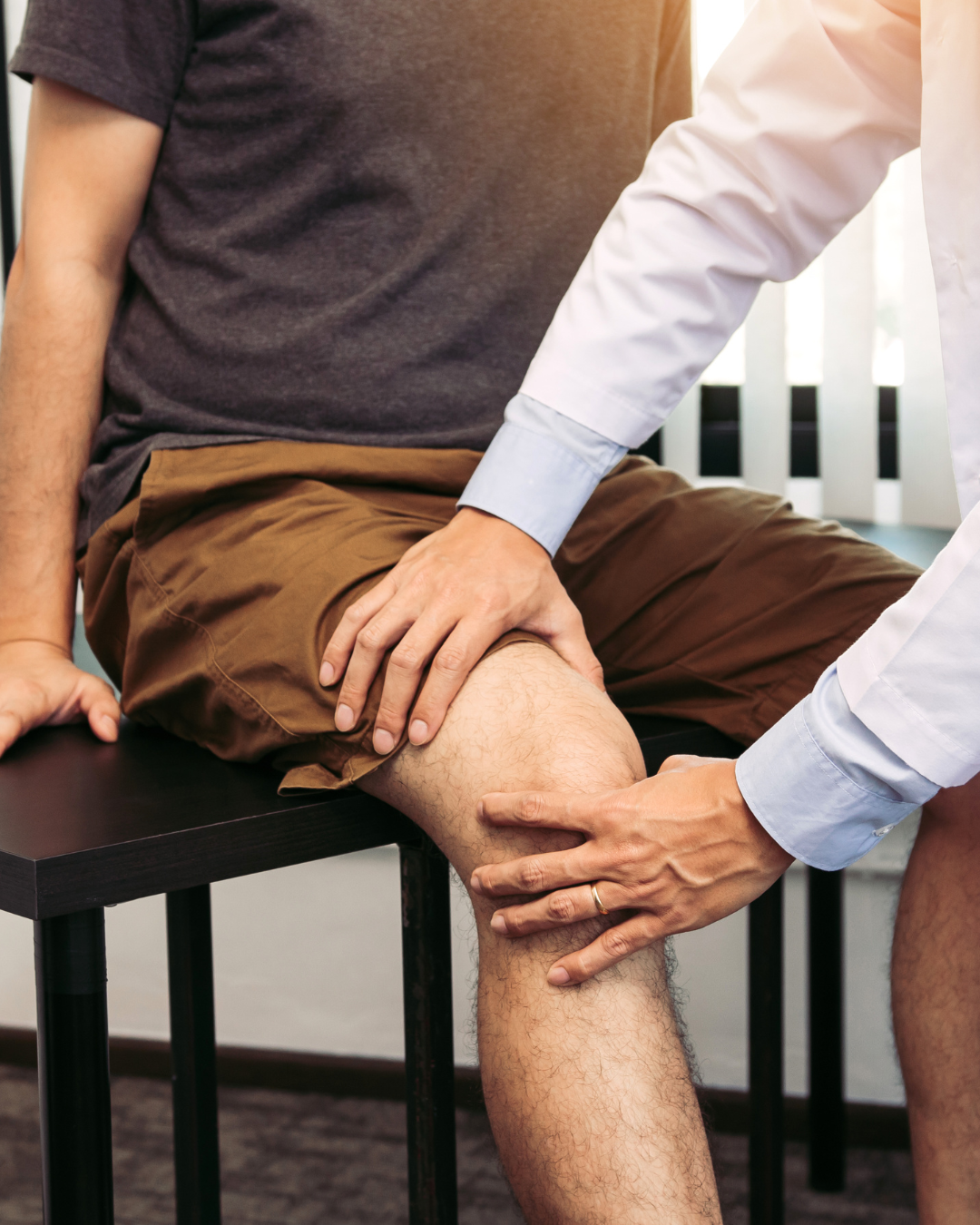
Arthritis treatment should start with a clear diagnosis, not a painkiller routine. Joint pain may come from osteoarthritis, rheumatoid arthritis, gout, post-traumatic arthritis, infection, ligament injury or referred pain from the spine. Each needs a different plan.
Dr. Anil Raheja evaluates arthritis affecting the knee, hip and other joints with a practical goal: reduce pain, protect movement, delay joint damage where possible and recommend surgery only when non-surgical treatment is no longer giving useful relief.
What is arthritis?
Arthritis means inflammation or damage in a joint. In osteoarthritis, the protective cartilage that cushions the joint gradually wears down. As the surface becomes rough, the joint may become painful, swollen, stiff and less mobile.
Not all arthritis is simple wear and tear. Rheumatoid arthritis is an inflammatory autoimmune condition, gout is related to crystal deposits, and post-traumatic arthritis can develop after an injury. Correctly identifying the type of arthritis is the first step toward the right treatment.
How arthritis affects the joint surface
Common arthritis symptoms
Arthritis symptoms can start quietly and become more limiting over time. Many patients first notice pain after walking, climbing stairs, sitting cross-legged or getting up from a chair. Others have morning stiffness, swelling or warmth around the joint.
The pattern of symptoms helps identify the cause. Pain that worsens with use is often seen in osteoarthritis. Long morning stiffness, swelling in small joints, fatigue or multiple painful joints may suggest inflammatory arthritis and may need rheumatology care.
Joint pain during walking, stairs or daily work
Morning stiffness or stiffness after sitting
Swelling around the joint
Reduced movement or difficulty bending the joint
Grinding, catching or creaking sensation
Warmth or redness around the joint
Limping or reduced walking distance
Pain that disturbs sleep in advanced cases
Types of arthritis we evaluate
The word arthritis covers many conditions. A useful treatment plan begins by separating mechanical joint wear from inflammatory disease, because medicines, investigations and surgical decisions are different.
Osteoarthritis of the knee, hip, shoulder or other joints
Rheumatoid arthritis with joint swelling and inflammation
Post-traumatic arthritis after fracture, ligament injury or old joint damage
Gout or crystal-related arthritis
Early cartilage wear with activity-related joint pain
Advanced arthritis with deformity, stiffness or loss of independence
Arthritis after previous surgery or injury
How arthritis is diagnosed
Diagnosis starts with a detailed history and physical examination. Dr. Raheja checks where the pain is coming from, how the joint moves, whether swelling or deformity is present, and whether another area such as the spine or hip is contributing to symptoms.
X-rays are often the first investigation for osteoarthritis because they show joint space narrowing, bone spurs and alignment changes. MRI may be useful when symptoms suggest cartilage, meniscus, ligament or early joint damage that is not clear on X-ray. Blood tests or joint fluid testing may be needed if rheumatoid arthritis, gout, infection or another inflammatory condition is suspected.
Arthritis treatment without surgery
Most arthritis treatment begins without surgery. The aim is to control pain, improve function and reduce stress on the joint. A good plan is usually a combination of several small changes rather than one miracle treatment.
Early and moderate arthritis often responds well to exercise modification, weight management, physiotherapy, pain medicines used carefully, heat or cold therapy, bracing and injections in selected cases.
Low-impact exercise such as walking on level ground, cycling or swimming
Physiotherapy to improve strength, flexibility and balance
Weight management to reduce load on knee and hip joints
Activity modification without becoming inactive
Pain medicines or anti-inflammatory medicines when safe
Topical gels for selected painful joints
Knee brace, walking stick or footwear advice when alignment or load is an issue
Heat or cold therapy for stiffness, swelling or flare-ups
Injections for arthritis pain
Joint injections may help selected patients, especially when pain or swelling is limiting physiotherapy and daily activity. They are not a permanent cure and should be used as part of a larger treatment plan.
Steroid injections may reduce inflammation for a short period. Hyaluronic acid or gel injections may be discussed for selected knee arthritis cases. PRP is sometimes considered, but expectations should be realistic and based on arthritis stage, age, joint alignment and cartilage loss.
Knee arthritis treatment
Knee arthritis is one of the most common reasons patients search for arthritis treatment in Delhi. Treatment depends on whether the arthritis is mild, moderate, advanced, limited to one compartment or spread across the knee.
For early knee arthritis, the focus is on strengthening, weight control, walking tolerance and pain reduction. For one-compartment arthritis, partial knee replacement may be an option. For advanced bone-on-bone arthritis with deformity or severe pain, total knee replacement may become the most reliable treatment.
Hip arthritis treatment
Hip arthritis often causes groin pain, thigh pain, stiffness, limping and difficulty putting on socks or getting into a car. Early treatment may include physiotherapy, activity modification, medicines and walking support.
When hip cartilage damage is advanced and pain affects sleep, walking or independence, hip replacement may be discussed. The decision is made after examination and imaging, not just on pain level alone.
Rheumatoid arthritis and inflammatory joint pain
Rheumatoid arthritis is different from wear-and-tear osteoarthritis. It is an inflammatory autoimmune disease that can damage joints quickly if not treated early. Symptoms may include multiple swollen joints, long morning stiffness, fatigue and warmth around the joints.
If rheumatoid arthritis or another inflammatory arthritis is suspected, blood tests such as ESR, CRP, rheumatoid factor and anti-CCP may be advised, and rheumatology co-management may be needed. Orthopaedic care becomes important when joint damage, deformity, tendon problems or replacement surgery needs to be considered.
When surgery is needed for arthritis
Surgery is considered when arthritis pain and stiffness remain severe despite a proper trial of non-surgical treatment, or when joint damage is already advanced enough that conservative care cannot restore useful function.
Surgery does not mean the same operation for everyone. Depending on the joint and arthritis pattern, options may include arthroscopy in selected mechanical problems, osteotomy in selected younger patients, partial knee replacement, total knee replacement, hip replacement or revision surgery.
Pain continues despite medicines, physiotherapy and injections
Walking distance keeps reducing
Sleep is disturbed by joint pain
Joint deformity is worsening
Daily independence is affected
X-rays show advanced joint space loss or bone-on-bone arthritis
The patient understands recovery, risks and realistic outcomes
What makes a good arthritis treatment plan?
A good arthritis plan should answer four questions: what type of arthritis is present, how advanced it is, what can still be improved without surgery, and when surgery would become more useful than waiting.
Dr. Raheja’s approach is to match treatment to the patient’s stage of disease, lifestyle, work needs, walking goals, medical condition and expectations. The aim is not just short-term pain relief, but preserving useful movement for as long as possible.
Book an arthritis assessment
If joint pain, swelling or stiffness is slowing you down, an early assessment can help prevent months of guesswork. Bring previous X-rays, MRI reports, blood tests, prescriptions, injection records and details of physiotherapy already tried.
A diagnosis-led consultation can clarify whether your arthritis can be managed without surgery, whether injections or bracing may help, or whether joint replacement should be discussed.
Frequently asked questions
Yes. Many early and moderate arthritis cases can be managed without surgery using weight management, physiotherapy, low-impact exercise, medicines, bracing, heat or cold therapy and selected injections. Surgery is considered when pain and disability remain severe despite proper non-surgical care.
The appropriate treatment depends on the stage and pattern of arthritis. Early knee arthritis may improve with exercise, weight control, physiotherapy, medicines and bracing. Advanced bone-on-bone arthritis may need partial or total knee replacement if daily life is badly affected.
Most arthritis types are manageable but not permanently cured. Osteoarthritis cartilage damage cannot usually be reversed, but symptoms can often be controlled. Rheumatoid arthritis has no permanent cure, but early medicines can reduce inflammation and slow joint damage.
Diagnosis starts with history and physical examination. X-rays help assess joint space loss and bone changes. MRI may be used for early or complex joint problems. Blood tests or joint fluid tests may be needed if rheumatoid arthritis, gout, infection or inflammatory arthritis is suspected.
For knee, hip or mechanical joint arthritis, an orthopaedic specialist can assess joint damage and treatment options. If symptoms suggest rheumatoid arthritis or another autoimmune inflammatory disease, a rheumatologist may also be needed for disease-modifying medicines.
Early symptoms can include joint pain with activity, stiffness after rest, mild swelling, reduced movement, clicking or grinding, and difficulty with stairs, walking or bending. Long morning stiffness or multiple swollen joints may suggest inflammatory arthritis.
Injections can help selected patients by reducing pain or inflammation for a period of time. Steroid, gel and PRP injections have different roles and limits. They work well when used as part of a broader plan that includes exercise, weight control and joint protection.
Stage 4 or bone-on-bone knee arthritis can sometimes be managed temporarily with medicines, bracing, physiotherapy, injections and activity changes. But if pain, deformity and walking difficulty remain severe, knee replacement may be the more reliable long-term option.
Gentle, low-impact walking can help many patients maintain mobility and reduce stiffness, especially when combined with strengthening exercises. The amount should be adjusted to pain, swelling and arthritis stage. Severe flare-ups may need temporary activity modification.
Joint replacement is considered when arthritis causes severe pain, stiffness, deformity, reduced walking distance or loss of independence despite non-surgical treatment, and imaging shows advanced joint damage that matches the symptoms.
Plan this visit
Plan your arthritis consultation
Three choices help identify the arthritis pattern and make the treatment plan more useful.
Which joint is troubling you most?
The joint involved changes diagnosis and treatment.
Ask the surgeon
Questions about arthritis care?
Costs, recovery time, whether surgery is even needed in your case. Send your question and get a call back within one working day.