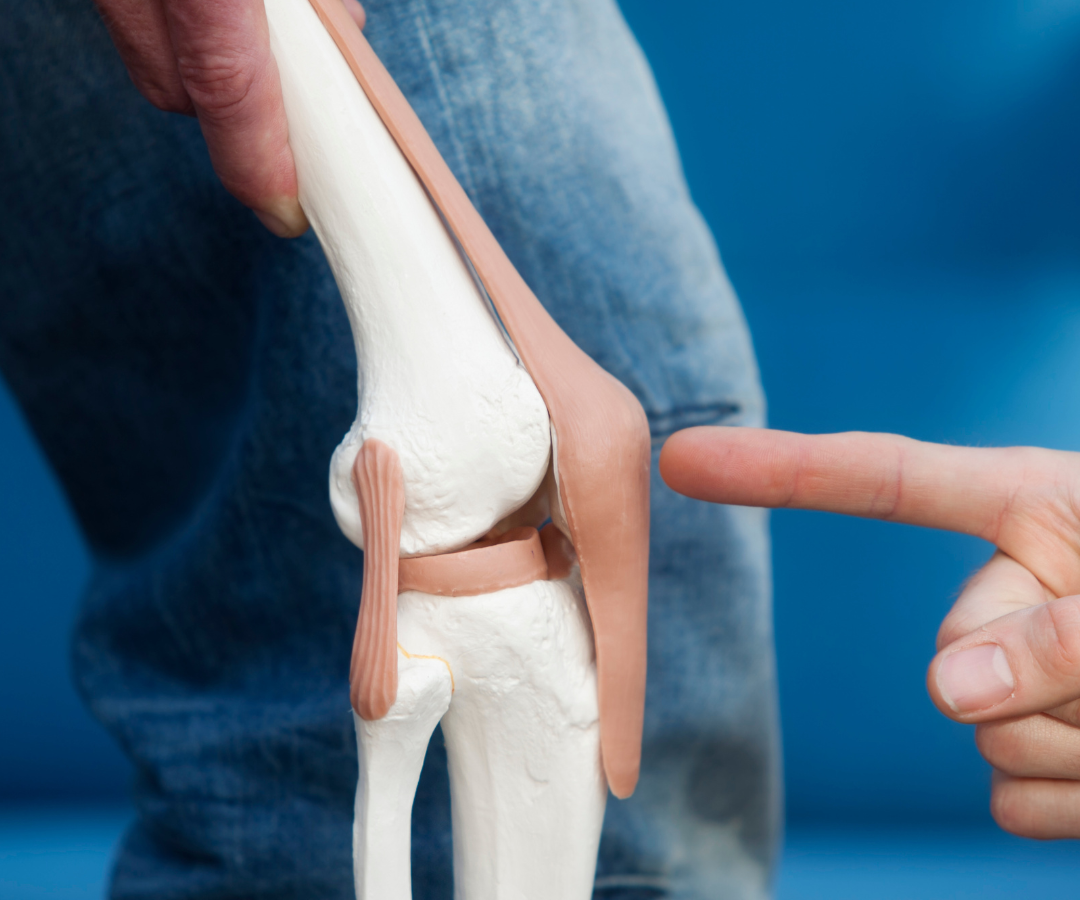
Partial knee replacement in Delhi: the bottom line
Partial knee replacement is a focused knee replacement option for selected patients whose arthritis is limited to one compartment of the knee. Instead of resurfacing the entire knee, only the damaged area is replaced, while the healthy bone, cartilage and ligaments are preserved.
Dr. Anil Raheja uses examination and standing X-rays to decide whether partial knee replacement, total knee replacement or non-surgical care is the right option. The key question is not just whether the knee hurts, but exactly where the arthritis is and whether the rest of the knee is healthy enough to preserve.
What is partial knee replacement?
Partial knee replacement is also called unicompartmental knee replacement or unicondylar knee replacement. The knee has three major compartments: the medial compartment on the inside, the lateral compartment on the outside and the patellofemoral compartment at the front.
If osteoarthritis is advanced in only one compartment, the damaged surface can be resurfaced with metal and plastic components while the other compartments are left untouched. This is why partial knee replacement is considered a joint-preserving option.
How partial knee replacement preserves healthy knee tissue
Who is a candidate for partial knee replacement?
Patient selection is the most important part of unicompartmental knee replacement. A partial knee replacement works well when pain, X-ray damage and examination findings all point to one damaged compartment.
If pain is spread across the whole knee, the knee is very stiff, or the ligaments are weak, partial replacement may not give the right result. In those cases, total knee replacement may be safer and more predictable.
Osteoarthritis limited to one compartment of the knee
Pain mainly on the inside or outside of the knee, matching the damaged compartment
Good ligament stability, especially no major ACL or collateral ligament deficiency
Reasonable knee movement without severe stiffness
No widespread inflammatory arthritis
Healthy cartilage in the other knee compartments
Daily-life pain despite medicines, physiotherapy, injections or activity changes
Partial knee replacement vs total knee replacement
Partial knee replacement and total knee replacement both aim to reduce arthritis pain and improve function, but they are not interchangeable. Partial replacement is smaller and more tissue-preserving. Total replacement is more comprehensive and is better when arthritis affects multiple compartments.
A good decision includes both benefits and tradeoffs. Partial knee replacement often feels more natural and recovers faster in suitable patients, but arthritis can later develop in the unreplaced compartments, which may require conversion to total knee replacement.
Benefits of partial knee replacement
For the right patient, partial knee replacement can offer a strong balance between pain relief and tissue preservation. Because the healthy parts of the knee are retained, many patients feel that the knee moves more naturally than after a total knee replacement.
Smaller incision in many cases
Less bone removal
Healthy cartilage and ligaments preserved
Less early pain and swelling for many patients
Quicker early rehabilitation compared with total knee replacement
More natural knee movement and better knee awareness
Shorter hospital stay for many suitable patients
Disadvantages and limits of partial knee replacement
Partial knee replacement is not a shortcut for every arthritic knee. It is a precision option for a specific arthritis pattern. If the wrong patient receives a partial replacement, pain may continue or another surgery may be needed later.
The most important limitation is that the unreplaced parts of the knee can develop arthritis over time. Some patients may eventually need conversion to total knee replacement.
Not suitable if arthritis is present in more than one compartment
Not ideal with significant ligament damage or marked knee instability
Not ideal with severe stiffness or inflammatory arthritis
Pain may persist if symptoms are not truly from the damaged compartment
Future total knee replacement may be needed if arthritis progresses elsewhere
Requires careful surgical planning and accurate implant positioning
How Dr. Raheja decides if partial replacement is right
Dr. Raheja looks for a clear match between the patient’s symptoms, physical examination and imaging. Standing X-rays are especially useful because they show which compartment is losing joint space under body weight.
The decision also considers age, weight, activity goals, ligament stability, knee alignment, previous surgery and whether the patient understands the future possibility of conversion to total knee replacement.
Where exactly is the pain located?
Is arthritis limited to one compartment on standing X-rays?
Is the ACL and collateral ligament support good?
Can the knee straighten and bend adequately?
Is there deformity that can be corrected safely?
Would total knee replacement be more reliable for this knee?
Partial knee replacement recovery time
Recovery after partial knee replacement is often quicker than after total knee replacement, but it still needs structured rehabilitation. Many patients start putting weight on the knee soon after surgery with a walker, cane or crutches as advised.
The early goals are swelling control, safe walking, knee straightening, knee bending and rebuilding thigh strength. A physiotherapy plan helps protect the implant and restore confidence with stairs, standing and daily activity.
Early walking usually starts with support as advised by the surgical team
A walking aid may be needed for several days or weeks
Knee bending and straightening exercises begin early
Many daily activities improve over the first few weeks
Some patients resume regular daily living around 6 weeks, depending on recovery
Driving, work and travel should be cleared based on leg control and comfort
Partial knee replacement cost in Delhi
Partial knee replacement cost in Delhi depends on the hospital, room category, implant system, surgical planning, investigations, medicines, insurance, physiotherapy and whether robotic or navigation support is used.
Cost should be discussed after examination and X-rays because partial replacement is appropriate only when the arthritis pattern fits. A cheaper operation that is not right for the knee can become expensive if pain persists or another surgery is needed.
Robotic partial knee replacement
Robotic or computer-assisted partial knee replacement can help with planning and precision in selected settings. It may support accurate bone preparation and implant positioning, especially because partial knee replacement depends on preserving natural knee balance.
However, robotic technology is a tool, not the main decision-maker. The most important factors remain correct patient selection, experienced surgery, ligament assessment, implant choice and rehabilitation.
Life after partial knee replacement
The goal of partial knee replacement is comfortable daily movement with preservation of as much natural knee function as possible. Suitable patients often return to walking, stairs, travel and low-impact activity with a knee that feels closer to their natural knee.
High-impact activity, excessive body weight and ignoring pain in the other compartments can affect long-term results. Follow-up matters because the preserved parts of the knee should be monitored over time.
Book a partial knee assessment
If you have knee pain mainly on one side of the knee and have been told you may need replacement, a partial knee assessment can clarify whether a smaller, joint-preserving operation is possible.
Bring standing knee X-rays, MRI reports if available, details of medicines or injections already tried, and your walking, work and stair needs. Dr. Anil Raheja will help you compare partial knee replacement, total knee replacement and non-surgical options based on your actual knee.
Frequently asked questions
Partial knee replacement, also called unicompartmental or unicondylar knee replacement, resurfaces only the damaged compartment of the knee. The healthy bone, cartilage and ligaments in the rest of the knee are preserved.
A good candidate usually has osteoarthritis limited to one compartment, pain that matches that compartment, good ligament stability and reasonable knee movement. Standing X-rays and examination are needed to confirm suitability.
Partial knee replacement treats only one damaged part of the knee, while total knee replacement resurfaces the knee more comprehensively. Partial replacement preserves more natural tissue and often recovers faster, but total replacement may be better when arthritis is widespread.
It is not suitable for every knee. Pain may continue if arthritis is present in other compartments, and some patients may need conversion to total knee replacement later if arthritis progresses.
Recovery is often quicker than total knee replacement. Many patients start walking with support soon after surgery and build daily activity over the first few weeks. Some patients resume regular daily activities around 6 weeks, depending on healing and physiotherapy progress.
The cost depends on hospital, room category, implant system, surgical complexity, investigations, medicines, insurance, physiotherapy and whether robotic or navigation assistance is used. A reliable estimate is given after examination and X-rays.
Robotic assistance can help with planning and precision in selected cases, but it does not replace correct diagnosis or surgical judgement. Patient selection, ligament stability, implant position and rehabilitation remain the most important factors.
Modern partial knee replacements can last many years in suitable patients. Longevity depends on implant position, body weight, activity level, bone quality and whether arthritis develops in the unreplaced compartments.
Yes. If arthritis progresses in the remaining compartments or the partial implant fails, conversion to total knee replacement may be possible. This is one reason careful follow-up matters.
Most patients begin weight bearing and walking with support soon after surgery, as advised by the surgeon and physiotherapist. A walker, cane or crutches may be used for several days or weeks until walking feels safe.
Plan this visit
Plan your partial knee consultation
Three choices help decide whether a joint-preserving knee replacement may fit your arthritis pattern.
Where is your knee pain mainly felt?
Pain location is central to partial knee selection.
Ask the surgeon
Questions about partial knee?
Costs, recovery time, whether surgery is even needed in your case. Send your question and get a call back within one working day.