Knee pain after a twisting injury, sports injury or sudden movement can sometimes be caused by a meniscus tear. While some meniscus tears improve with non-surgical treatment, others may require surgery. Knee arthroscopy is one of the procedures used to treat selected meniscus tears and other problems inside the knee.
What Is a Meniscus Tear?
The menisci are two crescent-shaped pieces of cartilage inside each knee. They help cushion the joint, distribute load and contribute to knee stability. A meniscus can tear after a twisting injury, sudden change of direction, deep squatting or another forceful movement. Meniscus tears can also occur gradually as the tissue becomes less flexible with age.
What Are the Symptoms of a Meniscus Tear?
Symptoms can vary depending on the location and type of tear. Common symptoms include pain around the knee, swelling, difficulty squatting, pain while walking and a sensation of catching or locking.
- Pain inside or around the knee
- Swelling after an injury or activity
- Difficulty bending or straightening the knee
- Catching or locking of the knee
- Pain while walking or using stairs
- Difficulty squatting or kneeling
Does Every Meniscus Tear Need Surgery?
No. A meniscus tear does not automatically mean that you need knee arthroscopy. Some tears can improve with non-surgical treatment such as activity modification, physiotherapy, medicines when appropriate and a gradual return to activity.
The decision depends on factors such as the type and location of the tear, your symptoms, age, activity level, knee stability and whether the knee has other damage.
When Is Knee Arthroscopy Needed?
Knee arthroscopy may be considered when there is a specific problem inside the knee that can be treated surgically and symptoms have not improved with appropriate non-surgical treatment. It can be used for selected meniscus tears, certain ligament injuries, loose pieces of bone or cartilage and other problems inside the joint.
- A meniscus tear causing persistent symptoms despite appropriate treatment
- A meniscus tear associated with significant catching or locking
- A loose piece of bone or cartilage inside the knee
- Selected sports-related knee injuries
- Certain ligament injuries requiring reconstruction
- Selected cartilage problems inside the knee
How Is a Meniscus Tear Diagnosed?
Diagnosis begins with a medical history and physical examination. Your doctor will ask how the injury happened, where the pain is located and whether you have swelling, catching or locking.
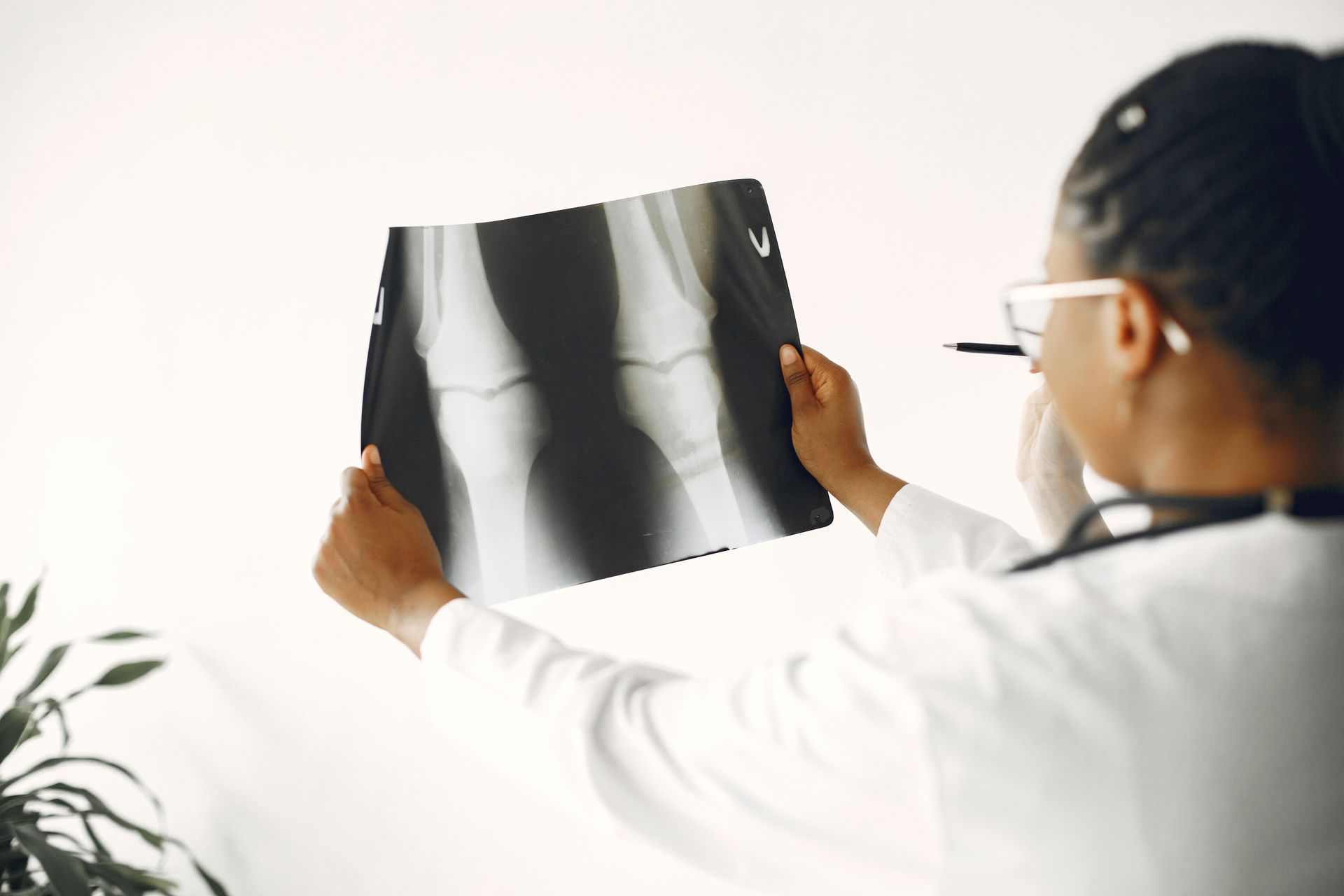
X-rays may be used to look for bone problems or arthritis. An MRI can provide more detailed information about soft tissues such as the meniscus, ligaments and cartilage.
An MRI finding should be interpreted together with your symptoms and examination. Not every meniscus tear seen on an MRI requires surgery.
What Happens During Knee Arthroscopy?
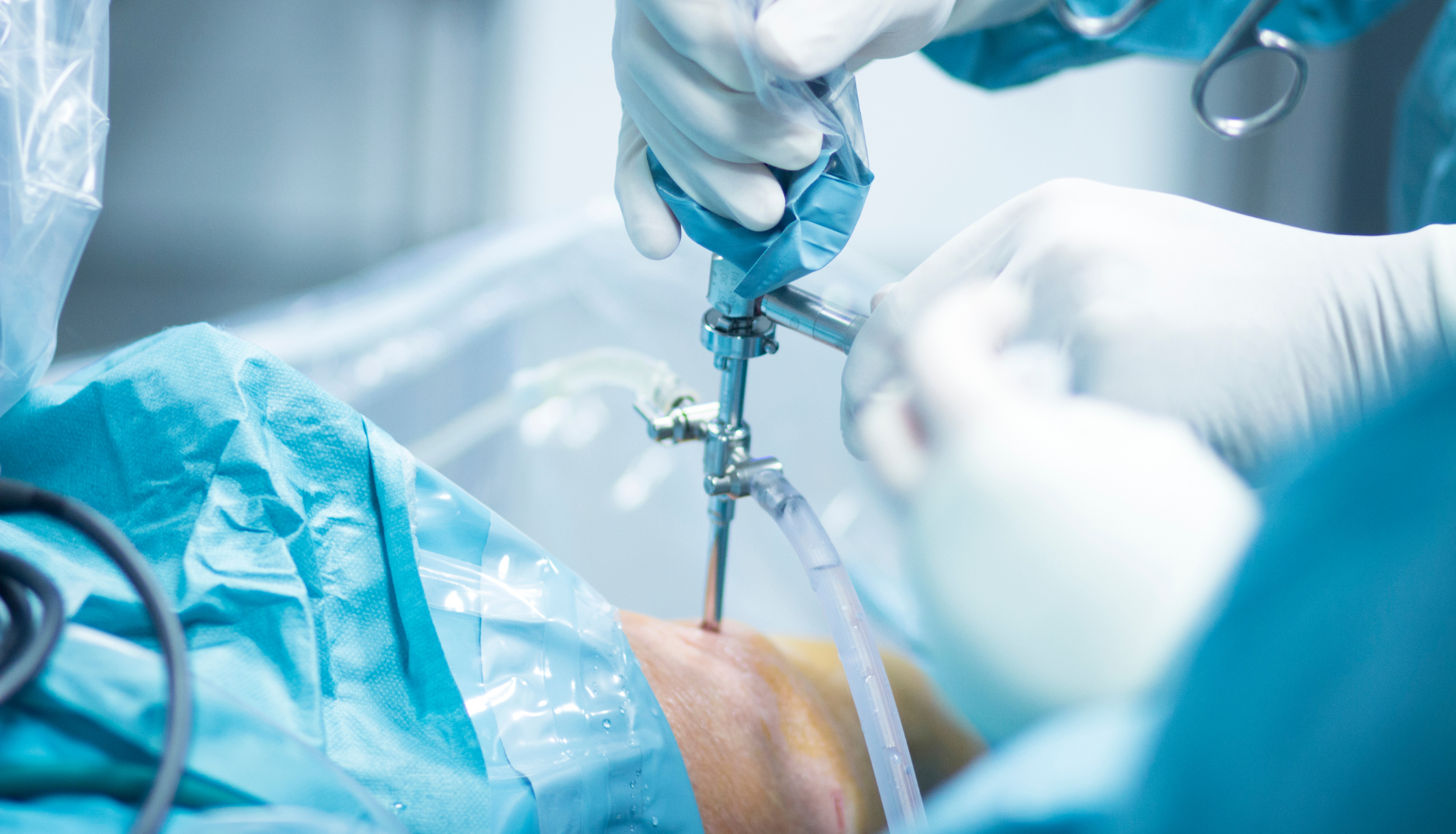
Knee arthroscopy is performed through small incisions around the knee. A small camera is inserted into the joint so the surgeon can examine the internal structures. Specialised instruments can then be used to treat the identified problem.
For a meniscus tear, the surgeon may repair the meniscus when the tear is suitable for repair. In other situations, damaged tissue may need to be trimmed. The decision depends on factors such as the location and pattern of the tear, the condition of the tissue and the overall condition of the knee.
Knee Arthroscopy Recovery
Recovery after knee arthroscopy depends on what was done during surgery. Recovery after a meniscus repair can take longer than recovery after a procedure where a small amount of damaged tissue is removed.
- Pain and swelling may occur during the early recovery period.
- Physiotherapy may be recommended to restore movement and strength.
- Weight-bearing instructions depend on the procedure performed.
- Meniscus repair may require a longer period of protection while the tissue heals.
- Return to sports should happen gradually after strength, movement and knee function have recovered.
Can Knee Arthroscopy Treat Knee Arthritis?
Knee arthroscopy is not a general treatment for knee arthritis. In patients with moderate or advanced arthritis, arthroscopy is not routinely used simply to treat arthritis-related knee pain.
If a patient has significant arthritis along with a meniscus tear, the overall condition of the knee needs to be assessed before deciding on surgery. Treatment may involve physiotherapy, medicines, injections or knee replacement depending on the severity and cause of the symptoms.
Knee Arthroscopy for Sports Injuries
Knee arthroscopy is commonly associated with sports injuries because twisting and pivoting movements can damage the meniscus, ligaments and cartilage. However, not every sports injury requires surgery.
The treatment plan depends on the exact injury, knee stability, symptoms, activity requirements and response to rehabilitation. Some injuries can be successfully managed with structured physiotherapy and gradual return to activity.
When Should You See a Knee Specialist?
You should consider an orthopaedic evaluation if knee pain continues after an injury, the knee repeatedly swells, you have catching or locking, you cannot fully bend or straighten the knee or symptoms are preventing you from returning to normal activities.
A specialist can determine whether the symptoms are coming from a meniscus tear or another knee problem and whether treatment should involve physiotherapy, medication, injections or surgery.
The Bottom Line
Knee arthroscopy can be useful for selected meniscus tears and other problems inside the knee, but not every knee injury or MRI finding requires surgery. The type of injury, symptoms, examination findings and response to non-surgical treatment all matter when deciding whether arthroscopy is appropriate.
Frequently asked questions
No. Some meniscus tears can improve with physiotherapy, activity modification and other non-surgical treatment. Surgery depends on the type of tear, symptoms and how the knee responds to treatment.
Knee arthroscopy may be considered when a meniscus tear continues to cause significant symptoms despite appropriate non-surgical treatment or causes mechanical problems such as catching or locking.
Recovery depends on the procedure performed. A simple arthroscopic procedure may have a shorter recovery, while meniscus repair generally requires a longer rehabilitation period.
Some meniscus tears can be managed without surgery. The possibility of improvement depends on factors such as the type and location of the tear, symptoms and the overall condition of the knee.
Knee arthroscopy is not a routine treatment for arthritis-related knee pain. If arthritis is present, the overall condition of the knee should be assessed before deciding whether arthroscopy or another treatment is appropriate.
Originally published on dranilraheja.com.